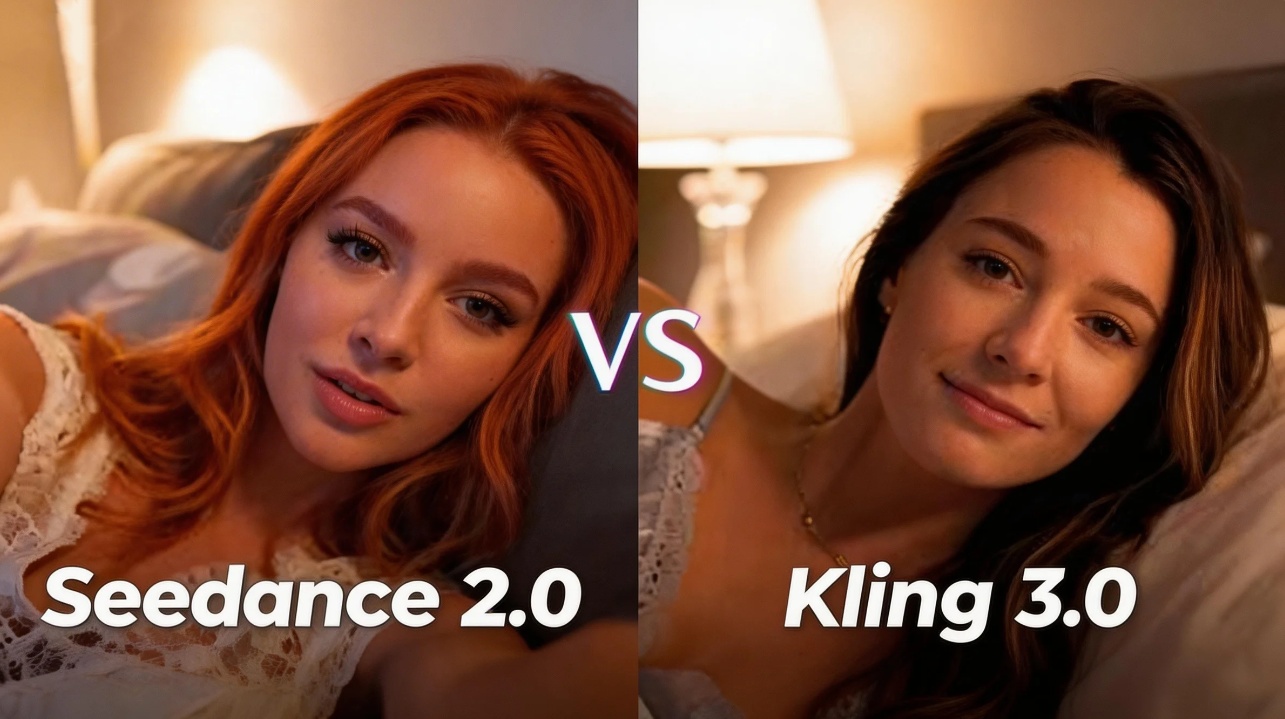
Seedance 2.0 vs Kling 3.0 is one of the most common comparisons among creators evaluating modern AI video generation tools. Both Seedance 2.0 and Kling 3.0 represent a new generation of AI video models designed for cinematic visuals, realistic motion, and structured storytelling. When users search Seedance 2.0 vs Kling 3.0, they are usually deciding which model fits their real production workflow rather than experimenting with visual effects alone.
Seedance 2.0 focuses on controllable, multimodal video generation with strong consistency across shots, while Kling 3.0 emphasizes high-resolution output and visually rich cinematic scenes. To explore how Seedance 2.0 performs in real-world scenarios, you can experience its full functionality here:
👉 Explore Seedance 2.0 AI Video Generation
Overview: Seedance 2.0 vs Kling 3.0 at a Glance
Before diving deeper into the details of Seedance 2.0 vs Kling 3.0, it helps to understand the core philosophy behind each model.
Seedance 2.0 is designed as a production-oriented AI video model. Its goal is to help creators generate repeatable, controllable video outputs using text, images, video, and audio references together. Kling 3.0, by contrast, places a strong emphasis on cinematic visuals and high-resolution output, making it attractive for visually impressive standalone clips.
This difference in design philosophy strongly affects how Seedance 2.0 vs Kling 3.0 performs in different use cases.
Input and Workflow Differences
Multimodal Input Capabilities
One of the most important distinctions in Seedance 2.0 vs Kling 3.0 is how each model handles input.
Seedance 2.0 supports text, image, video, and audio inputs simultaneously within a single generation workflow. This allows creators to guide motion, appearance, and sound using multiple references at once. In contrast, Kling 3.0 focuses primarily on text, image, and video inputs, with less emphasis on combined multimodal control.
For teams that rely on reference-heavy workflows, this difference becomes a decisive factor in the Seedance 2.0 vs Kling 3.0 comparison.
Workflow Structure
Seedance 2.0 is optimized for iterative workflows. Creators can refine prompts, adjust references, and regenerate videos while maintaining consistent visual identity. Kling 3.0 excels in producing visually striking outputs quickly, but iteration often requires broader changes rather than fine-grained adjustments.
As a result, Seedance 2.0 vs Kling 3.0 often comes down to whether a creator prioritizes workflow control or immediate visual impact.
Motion, Consistency, and Scene Control
Character and Scene Stability
A key concern in any Seedance 2.0 vs Kling 3.0 evaluation is consistency across frames and shots.
Seedance 2.0 is built to maintain stable characters, environments, and visual elements throughout a sequence. This makes it suitable for multi-shot narratives and brand-driven content. Kling 3.0 delivers impressive motion and cinematic camera movement, but maintaining consistent character identity across multiple scenes can require additional effort.
For long-form or series-based content, Seedance 2.0 often provides more predictable results than Kling 3.0.
Camera Behavior and Motion Flow
Both models support cinematic camera language, but they approach it differently. Seedance 2.0 prioritizes smooth, controlled motion that aligns closely with prompt instructions. Kling 3.0 emphasizes dynamic movement and dramatic framing, which can be visually compelling but less predictable.
In practical terms, the Seedance 2.0 vs Kling 3.0 choice depends on whether control or expressiveness is more important to the project.
Resolution and Visual Fidelity
Resolution is frequently mentioned in discussions around Seedance 2.0 vs Kling 3.0.
Kling 3.0 offers native high-resolution output, which is beneficial for large displays and cinematic presentations. Seedance 2.0 typically focuses on stable 1080p output optimized for consistency, motion coherence, and real-time usability.
While Kling 3.0 may appear more impressive at first glance, Seedance 2.0 delivers visuals that are easier to integrate into structured production pipelines.
Audio and Synchronization
Audio handling is another important differentiator in Seedance 2.0 vs Kling 3.0.
Seedance 2.0 generates audio natively alongside video, allowing sound to adapt naturally to the visual environment. This includes synchronized dialogue, ambient sound, and contextual audio cues. Kling 3.0 also supports native audio generation, but its primary strength lies in visual presentation rather than audio-driven realism.
For projects where audio-video synchronization matters, Seedance 2.0 provides a more integrated experience in the Seedance 2.0 vs Kling 3.0 comparison.
Use Case Comparison: When to Choose Each Model
Marketing and Brand Content
In marketing workflows, Seedance 2.0 is often preferred due to its consistency and reference-based control. Brands benefit from stable visuals across multiple videos. Kling 3.0 excels when producing visually striking campaign clips that prioritize cinematic impact.
Social Media and Short-Form Video
For short-form platforms, both models perform well. Seedance 2.0 allows faster iteration and consistent branding, while Kling 3.0 produces eye-catching visuals that stand out in crowded feeds.
Creative and Cinematic Projects
Kling 3.0 shines in creative projects where dramatic visuals and high resolution are the primary goals. Seedance 2.0, on the other hand, supports structured storytelling and multi-scene continuity.
These differences highlight why the Seedance 2.0 vs Kling 3.0 decision is highly context-dependent.
Which AI Video Model Is Better?
There is no universal winner in Seedance 2.0 vs Kling 3.0. The better choice depends on production goals, workflow requirements, and creative priorities.
Seedance 2.0 is better suited for creators who need control, consistency, and repeatable workflows. Kling 3.0 is ideal for those who prioritize visual richness and cinematic resolution.
Understanding these trade-offs helps creators make informed decisions rather than relying on surface-level feature comparisons.
Final Verdict: Seedance 2.0 vs Kling 3.0
When evaluating Seedance 2.0 vs Kling 3.0, the key difference lies in usability versus spectacle. Seedance 2.0 focuses on enabling structured, production-ready AI video workflows, while Kling 3.0 emphasizes cinematic output and visual intensity.
If your goal is to build consistent, controllable AI video content across multiple scenes and iterations, Seedance 2.0 offers a more predictable foundation. To see how this model performs in real projects and workflows, you can explore it directly here:
👉 Explore Seedance 2.0 AI Video Generation
Ultimately, the Seedance 2.0 vs Kling 3.0 comparison shows that both models represent the future of AI video generation—but they serve different creative needs.